The recognition gap
By the time someone needs a lawyer, they are not researching. They are scared, they are in pain, and they are asking the first person they trust for a name.
The firm that gets that name is rarely the best firm. It is the firm that is already familiar. The one whose partner spoke at the county bar lunch, whose name came up on a podcast, whose email sat in an inbox for a year without ever asking for anything.
That gap between how good a firm is and how known it is has one reliable closer, and it is not more paid search. It is having a direct line to the people most likely to send you work, and using it consistently enough that you are the obvious answer when the moment comes.
Email is the cheapest, most durable version of that line. This guide covers how to build it.
1. Email is the only audience you actually own
Every other channel is rented. Your search rankings are on loan from an algorithm that changes without notice. Your social following belongs to the platform, and the platform decides how many of them ever see you. Your paid traffic exists exactly as long as the invoices clear.
An email list is different. It is a list of people who raised a hand, that you keep, that no third party can throttle or reprice. For a firm with thirty years of past clients, referring attorneys, expert witnesses, and community relationships, that list is already sitting in your case management system and your phone. Most firms simply never assemble it.
That is the whole opportunity. You are not building an audience from zero. You are consolidating one you already earned and then failing to stay in front of.
2. You do not have one audience. You have three.
Generic marketing advice tells you to build buyer personas. For a law firm that is the wrong frame, because the people worth emailing are not one group with a demographic profile. They are three groups with completely different reasons to care.
Referring attorneys. The single most valuable list a plaintiff's firm can maintain. These are lawyers who do not handle your case type, or who are conflicted out, or who are past capacity. They refer to whoever they thought of most recently and trusted most. They do not want marketing. They want to see that you are active, competent, and still taking the kind of matter they would send.
Past clients. Their case closed. They liked you. They have told nobody, because nobody has asked them and nothing has reminded them. A quarterly note that is genuinely useful keeps you present for the moment their cousin gets rear-ended.
Your community and adjacent professionals. Doctors, chiropractors, body shops, insurance adjusters, local business owners, the people who see the aftermath before you do. They are not going to read a legal newsletter. They will absolutely listen to a partner explain, in plain language, what actually happens after an accident.

Segment on those three. Everything else is decoration. What you send to a referring attorney and what you send to a past client should not be the same email, and the moment you separate them the whole program starts working better.
3. Building the list without buying one
Never buy a list. Beyond the fact that purchased lists do not engage, for a law firm it is an ethics problem, a deliverability problem, and a reputation problem all at once. Permission-based only.
The sources that actually work for an established firm:
- Your closed case files. Every client who ever signed a retainer, with an appropriate consent step before you start sending.
- Intake, including the ones you turned away. A declined case is still a person who now knows your name. Ask.
- Your referral network, one at a time. Not a scrape. A direct ask, attorney to attorney, at a bar function or on a call.
- Speaking and CLE. If a partner is presenting, there is a sign-in.
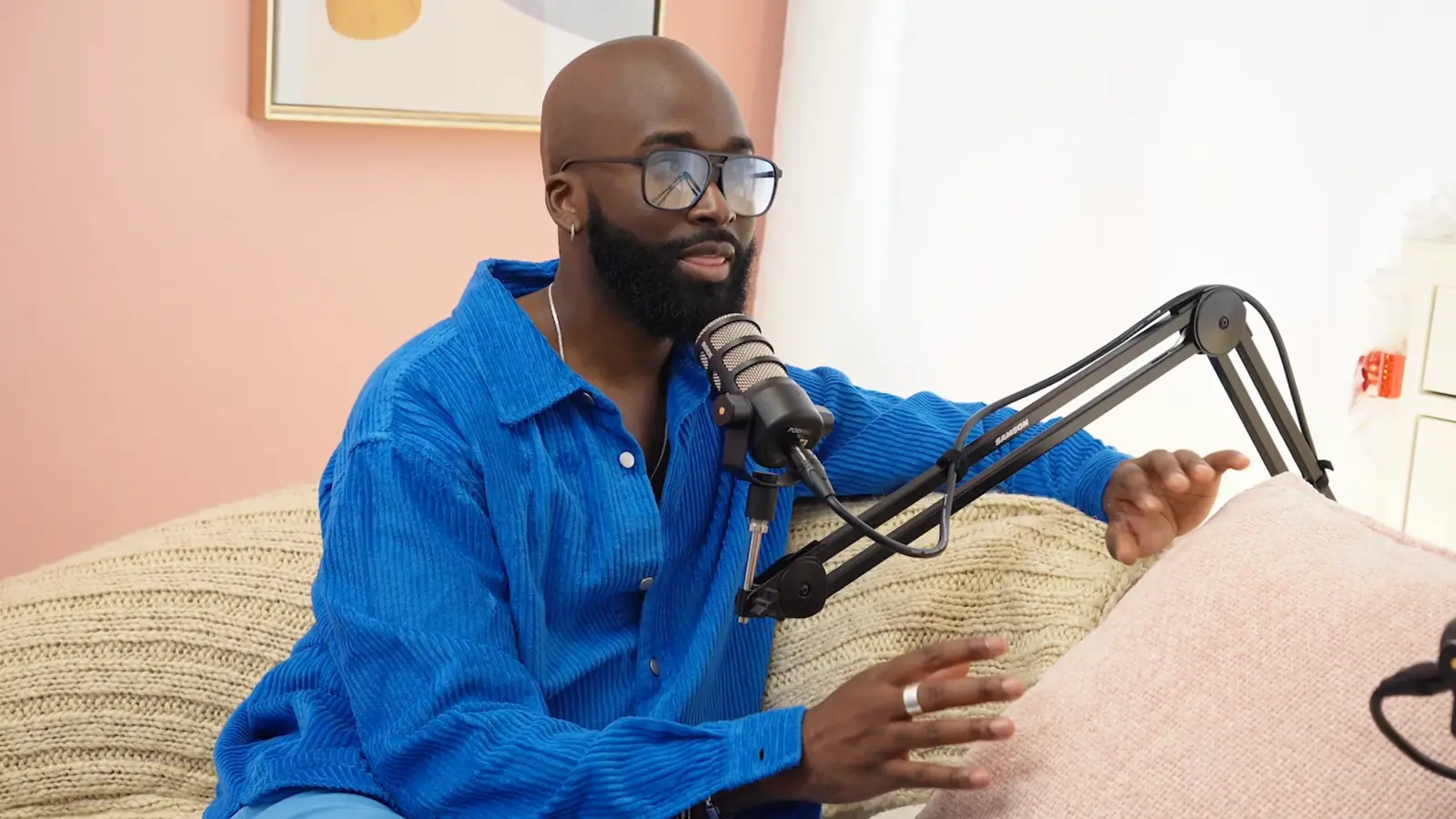
- Podcast guests and their audiences. Every guest you interview is a relationship, and most of them will share the episode with their own list. This is the fastest legitimate list growth mechanism available to a firm, and it is a side effect of a show you were producing anyway.
- Your own site. A single place on the site where someone can ask to hear from you.
Consent, an obvious unsubscribe, and honest sender information from the first email forward. Not because it is polite, but because the alternative creates exposure you do not need.
4. What to send, and what never to send
The content problem is where most firm email programs die. Somebody sets up the account, sends two emails, runs out of things to say, and the list goes cold for eighteen months.
What works:
- A real explanation of something people get wrong. What a policy limit actually means. Why the first offer is the first offer. What happens to a case when the client posts about it.
- A matter you can discuss without breaching anything. Not a result claim. The reasoning.
- Something from a partner in their own voice, about the practice, the profession, or the community.
- For referring attorneys specifically: what you are currently taking, what you are not, and a genuinely useful observation about the venue or the carriers.
What does not:
- Curiosity-gap and urgency subject lines. “You won't believe what we have in store” is a retail tactic. Under a law firm's name it reads as either a scam or an ambulance chase, and both cost you the referring attorney you were trying to impress.
- Anything that reads as a result guarantee.
- Holiday graphics with no content behind them.
Say who it is from and what it is about in the subject line. Keep it short enough to read on a phone, since most of it will be. Then stop worrying about design, because a plain, well-written email from a named partner outperforms a designed template from a firm almost every time.
5. The part nobody solves: where the content comes from
Everything above is straightforward. Consolidate the list, split it three ways, write useful things, send them consistently.
The word doing all the work in that sentence is consistently.
Partners at an established firm do not have a marketing problem. They have a Tuesday problem.
Tuesday is a deposition, a mediation, a client who is falling apart, and a carrier who will not return a call. Writing a thoughtful email to referring attorneys is genuinely important and it will lose to all four of those, every week, forever. That is not a discipline failure. That is what a functioning practice looks like.
Which is why the firms that sustain this do not write more. They record once and cut it into everything else.

An hour of a partner talking, on a show with a real format and a real guest, becomes an episode, the substance of a month of emails, a stack of short video clips, and a reason for the guest to introduce your firm to their audience. The email program stops being a writing assignment and becomes a distribution job. The partner's only obligation is to show up and talk about what they already know.
That is the constraint most firms never get past, and it is the one Sierra Media Productions exists to remove.
6. Automation, without sounding automated
Automation is not a personality. Used well, it is just making sure the right thing goes out when you are in trial.
Three sequences worth having:
- A welcome sequence. When someone joins, they should hear from you within a day. Who the firm is, what you handle, what they can expect to receive and how often.
- A post-matter sequence. When a case closes, a short set of messages over the following months. Useful, not promotional.
- A re-engagement sequence. People who have not opened anything in a year. One honest email asking whether they still want to hear from you, and if not, remove them. A smaller engaged list beats a large dead one.
Use the recipient's name if you have it and it is correct. Send from a person, not from a generic office address. Personalization beyond that is optional and easy to get wrong.
7. What to measure
Four numbers, checked monthly:
- Open rate, mostly as a signal of whether people recognize the sender.
- Click-through rate, which tells you whether the content was worth their time.
- Unsubscribes, which tell you when you have overstepped.
- Replies. For a firm, this is the one that matters most and the one almost nobody tracks. A referring attorney hitting reply is worth more than a hundred opens.
Change one variable at a time. Subject line, or send day, or format. Not all three.
Ignore published industry benchmarks. Your list is a few hundred people who know your name, not thirty thousand strangers, and the averages were not built from lists like yours.

8. Compliance, and the part that is specific to lawyers
Everyone sending marketing email in the United States is subject to CAN-SPAM: accurate sender information, no deceptive subject lines, a working unsubscribe honored promptly, and a valid physical postal address in every message. If you have contacts in the EU or California, GDPR and the CCPA add consent and data handling obligations on top.
For a law firm there is a second layer, and it is the one that matters more. Your state bar's rules on attorney advertising and solicitation apply to email and to podcast content the same way they apply to a billboard. Rules on result claims, testimonials, specialization language, required disclaimers, and record retention vary by state and they change. Texas firms should be working from the current Texas Disciplinary Rules and the advertising review requirements, and multi-state practices have to clear the strictest applicable rule.
Sierra Media Productions is a production company. We are not your ethics counsel and nothing here is legal advice. What we do is build the process so that everything going out is reviewable by the person at your firm who owns that call, before it goes out. On the podcast side that means you approve the episode, the clips, and the copy. Nothing publishes without a partner's sign-off.
9. A note on tools
MailerLite, Mailchimp, Constant Contact. Pick one, they are all adequate, the differences will not decide anything. If your case management system already has email built in, start there.
The platform has never been the reason a firm's email program failed. Running out of things to say is.