Most event marketing lead generation is judged on the wrong night. A firm spends real money filling a room with its best prospects, counts the business cards at the door, and calls the result a pipeline.
It is not a pipeline. It is a party with a guest list. The value starts to fade the moment the last guest gets in a car, and by the following Tuesday most of it is gone.
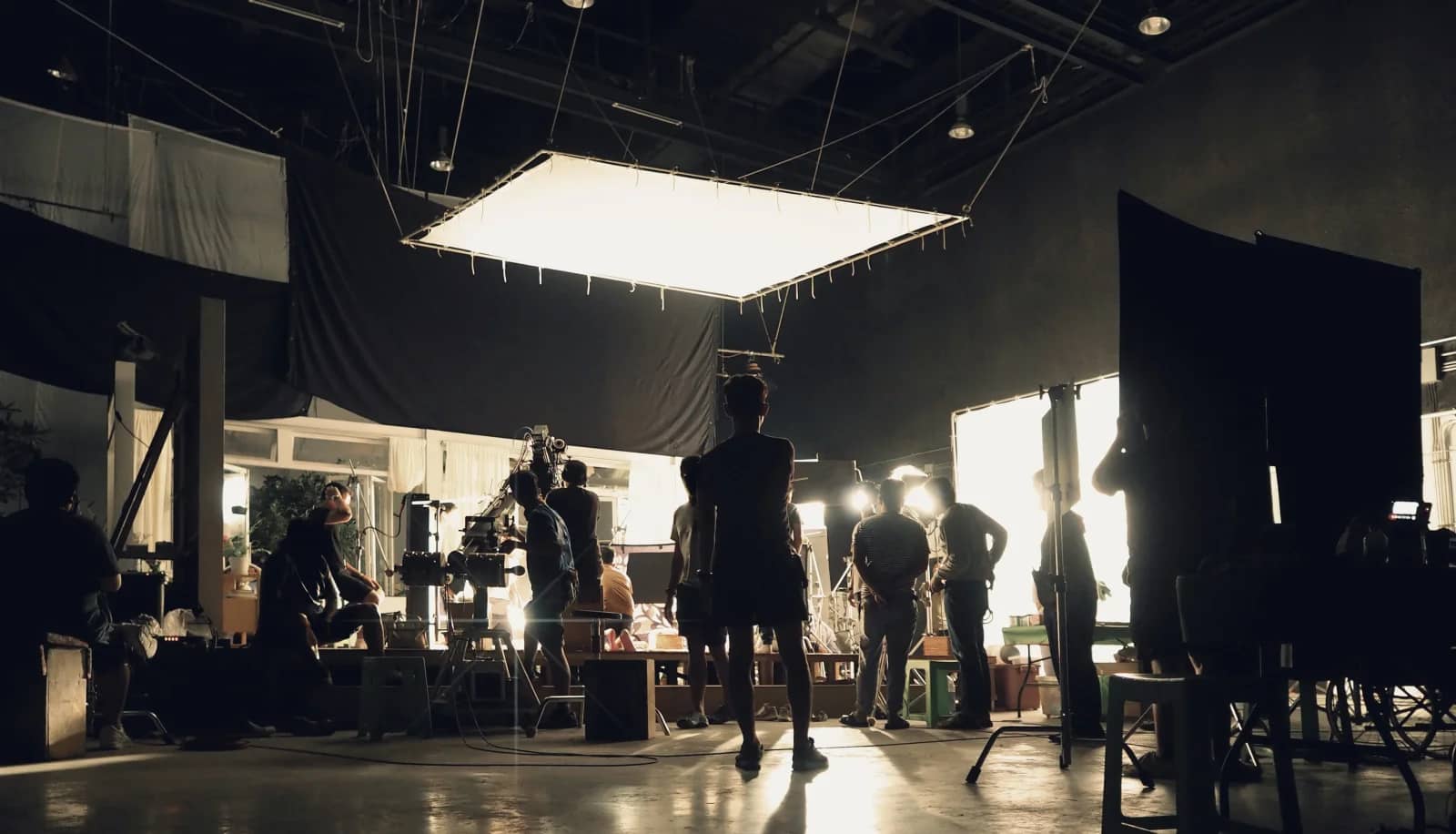
An event built as a media activation works differently. The room is the set, the guests are the cast, and the evening is the raw material for months of content, follow-up and lead capture that keeps working long after the caterer packs up.
Why Event Marketing Lead Generation Collapses the Morning After
Memory is the only thing a traditional event leaves behind, and memory fades quickly. The managing partner who had a great conversation at the bar will remember your name for about a week. After that, you are one of forty firms that bought them a drink this year.
Run this audit on your last event. List every asset that still exists from it today, the things you can actually use, not the things you hoped to get. For most firms the list looks like this:
- A dozen phone photos, half of them blurry and none of them lit
- A spreadsheet of names with no record of who talked to whom or about what
- One recap post on LinkedIn that got a few polite likes
- A follow-up email that said 'great to see you' and nothing else
- An invoice
That is the output of a five-figure investment. Compare it with what the same evening produces when it is planned as a production. You get a highlight reel, a recorded panel that becomes a podcast episode, twenty short clips of guests answering sharp questions, a library of professional stills, and a segmented lead list tagged by interest. Same room, same guests, same night. The difference is whether anyone decided ahead of time that the evening had to outlive itself.
Plan the Content Before You Plan the Catering
Most event planning starts with the venue, then the menu, then the invitations. Content comes last, if it shows up at all, usually as a photographer booked the week before. That order guarantees a forgettable archive.
Reverse it. Before you choose a venue, write down the assets the event has to produce. Be specific about number and format. A practical starting list for a professional services event:
- One 60 to 90 second highlight reel for the website and paid social
- One full-length panel or keynote recording, cut as a podcast episode and a long-form video
- Eight to twelve vertical clips of 30 to 45 seconds each from the stage content
- Ten to twenty guest interviews of 60 to 90 seconds each
- Fifty or more edited stills, including headshot-quality portraits of key guests
- A follow-up landing page built around the topic of the night
Once the list exists, it shapes every other decision. You choose the venue for its sightlines and sound, not just its view. You build the run of show around moments that produce assets. You place the interview corner where guests will pass it naturally, with enough quiet for clean audio. The catering still matters. It just stops being the most important decision in the planning.
Put the Speakers on Camera, Not Just on Stage
A panel heard by eighty people is a nice evening. The same panel recorded in multi-camera with a clean audio feed is a podcast episode, a video series and a quarter's worth of social content. The cost difference between those outcomes is a crew and some planning. The difference in value is huge.
Set up the stage content for the edit, not just for the room. That means three things. First, mic every speaker on their own channel and take a direct feed from the board, so the recording does not sound like a conference call. Second, use at least two camera angles so the editor can cut between speakers instead of locking off one wide shot. Third, brief the moderator to ask questions that produce standalone answers of 30 to 90 seconds, because those are your clips.
That last point is the one firms miss. A meandering conversation is fine for the room but useless in the edit. A moderator who asks 'What is the single biggest mistake firms make when a client calls after hours?' gets an answer that can run on its own on any platform. Write those questions in advance. Treat the panel as a recording session that happens to have a live audience.
If the cameras are not rolling, the room is only worth what your guests still remember on Monday.
Turn Every Guest Into an Interview
Your guests are the most credible people in the building. They are referral partners, clients, peers and prospects, and their voices carry more weight than anything your firm says about itself. Most events let that credibility walk out the door.
Build a short interview station with a lit backdrop, a lavalier or a good shotgun mic, and a producer who keeps things moving. Use a fixed three-question format so every clip fits a series:
- What brought you here tonight?
- What is the one thing changing fastest in your work right now?
- What should someone in your position be doing differently this year?
Each answer runs 60 to 90 seconds. Ten guests give you ten pieces of content with ten different faces, each one tied to the topic of your event. This footage also fixes a problem covered in the piece on why your ad is not underperforming but your creative is boring. Real people in a real room, talking about real problems, beat stock footage and talking-head scripts every time. Event footage gives your paid campaigns the texture that makes people stop scrolling.
Build Event Marketing Lead Generation Into the Room Itself
A business card tells you someone attended. It tells you nothing about what they need. Lead capture that works records intent, and intent can be designed into the evening.
Start at registration. Ask one or two qualifying questions tied to the event topic, such as the size of the attendee's practice or the challenge they most want addressed. Those answers segment your follow-up before anyone walks in.
Then put capture points in the room:
- A QR code at each session that unlocks a specific resource, like the slides, a checklist or an extended interview, so you know who cared about which topic
- A sign-up at the interview station that sends each guest their own clip, which collects a confirmed email and creates a reason to come back
- A short post-panel question card that asks what attendees want covered next, which becomes your next event topic and your next content brief
- Staff with clear instructions to log one line about each meaningful conversation within an hour of it happening
By the end of the night you do not have a stack of cards. You have a list sorted by interest, with notes, and a ready reason to follow up with each person that is more specific than 'great to see you.'
Release the Event on a Ninety-Day Schedule
The biggest mistake after a well-produced event is publishing everything in the first week. The burst gets attention for a few days, then the archive goes quiet. A media activation earns its return through steady release over time.
Map the assets to a calendar before the event happens. A working ninety-day schedule looks like this:
- Days 1 to 3: the highlight reel goes to every attendee and every invitee who did not come, along with each guest's personal interview clip
- Weeks 1 to 4: two panel clips a week across your social channels, each paired with a link to the topic resource
- Weeks 3 to 6: the guest interview series, one per post, tagging each guest so their network sees it
- Weeks 4 to 8: the full panel released as a podcast episode and long-form video, with a dedicated email to the segmented list
- Weeks 6 to 12: the best-performing clips put into paid campaigns aimed at audiences that match the attendee profile
- Week 10 onward: invitations to the next event, built from footage of this one
Look at what happens to the numbers. One evening now fills three months of publishing. Every clip is a new chance for a prospect to see your firm in a room full of serious people. Every release sends traffic back to a page that captures leads. The event stops being a one-night cost and becomes a quarter of pipeline.
Treat Attendees as Your Distribution Network
People share content about themselves. That is the most reliable rule in social media, and events are the easiest place to use it.
When a referral partner gets a polished 60-second clip of themselves answering a smart question, with good lighting and clean sound, they post it. When they post it, your firm's name and event branding reach an audience you could not have bought. Multiply that by fifteen guests and the organic reach of one evening can beat a month of paid spend.
Make it easy. Deliver each guest's clip within 72 hours, in vertical and square formats, with a suggested caption and the event hashtag already written. Send the professional portrait too. A guest who updates their LinkedIn headshot with a photo from your event carries your brand around for a year.
Crew It Like a Production, Not a Party
None of this works if the production team shows up the afternoon of the event and gets told to 'grab some footage.' The event planner and the production lead need to be in the same planning meetings from the start, working from the same asset list and the same run of show.
The piece introducing the team behind the productions on this blog makes the point directly: results come from having the right people, not the biggest headcount. Events are where that matters most, because nothing can be reshot. The panel happens once. The keynote line that would have made a perfect clip is said once. A crew that understands both live production and the edit catches those moments as they happen.
At minimum, a media activation needs a producer who owns the asset list, two camera operators, a dedicated audio engineer, a stills photographer, and someone running the interview station. That sounds like a lot until you compare it with the cost of the venue, the catering and the hours your partners spend in the room. The crew is what turns all that other spending into something that lasts.
What Changes on Monday
Stop measuring events on the night they happen. Count the leads at day ninety, not at the door. An event that produced thirty conversations and nothing else should be scored against one that produced thirty conversations, forty pieces of content and a quarter of steady lead flow. Measured that way, the first one is the expensive choice.
Here is the work for this week:
- Pull the budget and the asset audit from your last event and write down what still exists from it today
- For your next event, write the asset list before you sign a venue contract
- Add a production line to the budget equal to a real share of the venue and catering spend, not an afterthought
- Write the panel questions and the three guest interview questions now
- Draft the ninety-day release calendar and assign an owner to every date on it
- Build the topic landing page and registration questions before invitations go out
Your best prospects in one room is a rare opportunity. Treat it like a party and you get one good night. Treat it like a production and the same night keeps generating leads well into next quarter.